

How grief actually works
Grief isn’t a problem to be solved or a series of tidy stages to pass through. It tends to come in waves, easing and returning, sometimes for a long time. People grieve in their own way and at their own pace, and there is no correct version of it. Within that, most people benefit from moments that help them acknowledge the reality of a death and express what they feel. A funeral can be one of those moments. It doesn’t remove grief or shorten it, but it can give early grief somewhere to go and someone to share it with. Understanding the choices open to you, set out on the Your Funeral Options Explained page, can help you shape that moment around your family.
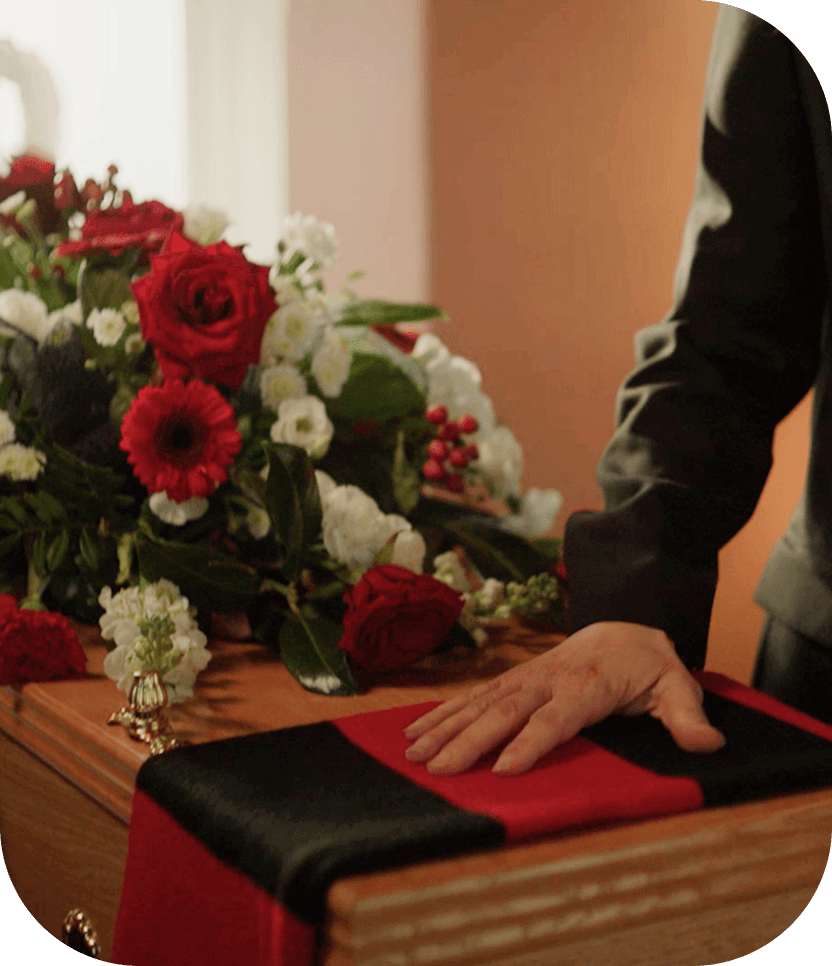
The role a funeral plays in the grieving process
A funeral does several quiet things at once within the grieving process. It confirms that the death is real, which sounds obvious but matters greatly, because the mind can struggle to accept a loss it has not witnessed in some shared way. Standing together at a service helps make the unthinkable concrete.
It also creates a container for strong feelings. Grief can feel formless and frightening, and a funeral gives it a shape, a time, a place and a sequence. Within that structure, people often feel freer to weep, to remember and to begin to let go. The funeral becomes a first step rather than the whole journey, a point from which mourning can continue in its own time.
Why ritual seems to help
Human beings have used ritual to mark death for as long as history records. Ritual works partly because it asks nothing clever of us. We don’t have to find the right words. We simply take part, and the familiar shape carries us through a moment when we might otherwise feel lost.
This is why even a small, personal ritual can help. Lighting a candle, reading a favourite poem or gathering at a meaningful place can all serve the same purpose as a larger service. What matters is the act of marking the loss, not the size of the occasion.
It helps to remember that a funeral marks a beginning, not an end.
- By Terry Tennens, Chief Executive, SAIF
When there is no funeral, or only a quiet one
Some families choose a direct cremation or a very simple farewell, and that can be entirely right for them. It does help to be aware that without any shared marker, some people find early grief harder to settle, simply because there was no moment to gather around.
If you have chosen a simple farewell, you can still create that marker later. A memorial weeks or months on, an anniversary gathering or scattering ashes together can all play the role a funeral would have played. The grieving process doesn’t require a traditional service, only some way to acknowledge the loss together. Support is available at every stage through the Bereavement Support and Advice pages.
Grief continues after the funeral
It helps to remember that a funeral marks a beginning, not an end. The hardest period for many people comes afterwards, once the practical tasks are done and the visitors have gone home. This is normal, and it is when ongoing support matters most.
A caring funeral director can connect you with local counsellors and bereavement groups who understand what you’re going through. Reaching out is a sign of strength, not weakness. If you would like to find that support, you can begin through the Contact and FAQs page or learn more about the campaign on the Handled With Care homepage.
Frequently asked questions
Does a funeral help with the grieving process?
For many people a funeral helps by confirming that a death is real, giving strong feelings a shape, and allowing people to grieve together. It doesn’t remove grief, but it can offer a steadying first step early in the grieving process.
How does a funeral help you grieve?
A funeral gives grief a time, a place and a shared structure, which can make overwhelming feelings easier to bear. Standing together, remembering and saying goodbye helps people begin to accept a loss and feel less alone in it.
Is it harder to grieve without a funeral?
Some people find early grief harder to settle without any shared marker, because there was no moment to gather around. Holding a memorial or other act of remembrance later can provide that marker and support the grieving process.
How long does grief last after a funeral?
Grief has no fixed timetable and often continues long after the funeral, coming in waves that ease and return. This is normal, and ongoing support from friends, counsellors or bereavement groups can help.
What can I do instead of a funeral to mark a death?
You can hold a memorial gathering, scatter ashes together, mark an anniversary, or carry out a small personal ritual such as lighting a candle or reading a poem. The act of acknowledging the loss together is what matters most.
Key takeaways
- Grief has no fixed path or timetable, and a funeral does not remove it but can offer a steadying early step.
- A funeral confirms that a death is real and gives strong feelings a shape, a time and a place.
- Ritual helps because it asks nothing clever of us, so even a small personal act can serve the same purpose.
- A simple farewell can still support grief if you create a shared marker later, such as a memorial or scattering of ashes.
- A funeral marks a beginning rather than an end, and the hardest period often comes afterwards when support matters most.
Support for the days during and after
A thoughtful funeral director can help you create a meaningful goodbye and point you towards support when grief continues. Enter your postcode on the Find a Local Funeral Director page to find someone near you.
The right funeral director will make you feel heard, respected and supported every step of the way.
Find a local funeral director
Use my current location