

Why direct cremation can bring complicated feelings
A traditional funeral carries built-in moments that help us grieve. There is a gathering, a service, a chance to stand together and say goodbye. Direct cremation removes that public ritual by design, and for many people that is exactly what they want.
The difficulty is that ritual also does quiet work for the heart. It marks the death as real, gives the day a shape, and lets people share the weight of their loss. When that structure is absent, some family members feel unanchored, even if the practical decision was the right one. Recognising this in advance helps. It isn’t a sign that you chose wrongly. It is simply a reminder that grief still needs somewhere to go. Understanding what the choice does and doesn’t include can ease this, and the Your Funeral Options Explained page sets that out plainly.
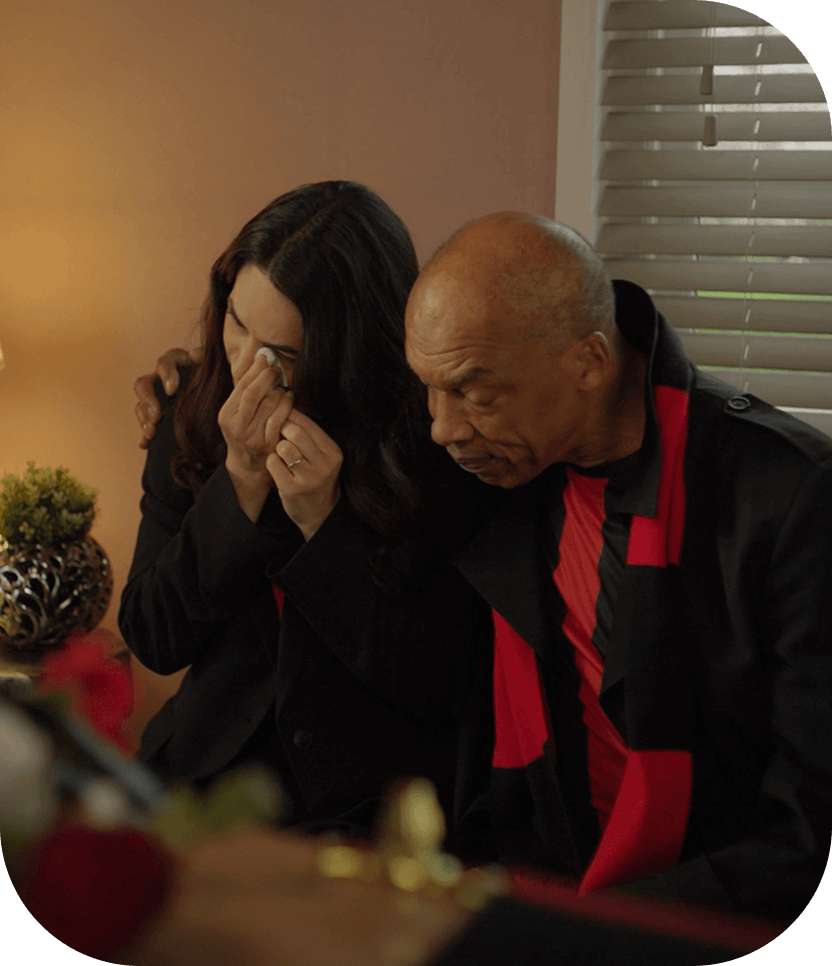
Understanding grief and direct cremation
Grief and direct cremation are not in conflict but they do ask something of each other. Without a set day to focus the mourning, grief can feel diffuse, arriving in waves rather than around a single event. Some people welcome that slower, more private process. Others find they miss the clear marker that a funeral provides.
There is no correct way to feel. Two people in the same family may respond very differently to the same quiet farewell, and both responses are valid. The most helpful thing you can do is talk openly about the choice before and after it happens, so that everyone understands what to expect. When loved ones know there will be no service, they can prepare emotionally and look for other ways to honour the person who died.
When the absence of a service is felt most
The feeling often surfaces in the days and weeks after the cremation, once the practical tasks are done. People describe a sense that something was left unfinished, or that they never got to say goodbye properly. This is common, and it doesn’t mean the decision should be undone.
What it usually means is that a separate moment of remembrance would help. A cremation handles the practical side. A gathering, whenever you are ready, can handle the emotional side. Separating the two can actually give families more freedom to grieve in a way that suits them.
The emotional impact of cremation without a service
The emotional impact of cremation is shaped less by the method itself and more by the meaning we attach to it. For some, the simplicity is a comfort, a dignified and unfussy farewell that reflects the person who died. For others, the lack of ceremony can feel stark, particularly if they were not fully part of the decision.
This is why open conversation matters so much. When everyone affected has a say, or at least understands the reasons, the choice tends to bring peace rather than regret. When the decision is made quickly or by one person alone, others can be left with feelings they struggle to place. If you are weighing this up now, talking it through with a caring funeral director can help you anticipate how different family members might respond.
There is no correct way to feel. Two people in the same family may respond very differently to the same quiet farewell, and both responses are valid.
- By Terry Tennens, Chief Executive, SAIF
Creating your own moment of goodbye
Choosing direct cremation doesn’t mean choosing to skip remembrance. Many families hold a memorial gathering at a later date, free from the time pressure that follows a death. This can be days, weeks or even months afterwards, whenever feels right.
A memorial can be anything you wish. It might be a quiet gathering at home, a walk in a place the person loved, the scattering of ashes or a celebration of their life with music and stories. Because it’s separate from the cremation, you have time to plan something genuinely personal. Some families find this brings more comfort than a conventional funeral would have, precisely because it was made on their own terms and at their own pace. A local funeral director can help you shape this, and you can reach one through the Find a Local Funeral Director page.
Finding bereavement support after cremation
Grief does not follow a timetable and bereavement support after cremation can be just as important as the practical arrangements. Because a direct cremation often happens quietly, some people find that the usual offers of help from friends and community arrive less readily, simply because there was no funeral to mark the loss publicly.
You don’t have to carry this alone. Trained counsellors, peer support groups and bereavement charities exist precisely for the weeks and months when the quiet sets in. An independent funeral director can connect you with local services that understand what you are going through. The Bereavement Support and Advice pages are a gentle starting point. You can always ask a question through the Contact and FAQs page or learn more about the campaign on the Handled With Care homepage.
Frequently asked questions
Is it normal to feel guilty after choosing direct cremation?
Yes, this is a common feeling and it doesn’t mean you made the wrong choice. Guilt often comes from missing the public ritual of a traditional funeral, not from the decision itself. Holding a separate memorial and talking openly with family can ease these feelings.
Can you still grieve properly with a direct cremation?
Yes. Grief isn’t dependent on a particular ceremony, and many families grieve fully through a later memorial, scattering of ashes or private gathering. The key is to create your own moment of remembrance whenever feels right for you.
How do you say goodbye with a direct cremation?
Many families hold a memorial event after the cremation, with no time pressure, which can include music, stories, a favourite place or the scattering of ashes. Because it is separate from the cremation, you have time to plan something deeply personal.
Where can I find bereavement support after a cremation?
You can find support through bereavement charities, local counsellors and peer support groups. An independent funeral director can connect you with services near you. Support is available regardless of the type of funeral you chose.
Does direct cremation mean there is no funeral at all?
Direct cremation means the cremation takes place without a service beforehand, but it doesn’t prevent you holding a memorial afterwards. Many families choose this route precisely so they can plan a more personal gathering in their own time.
Key takeaways
- Grief and direct cremation can sit together in complex ways, and feeling unsettled afterwards does not mean you chose wrongly.
- A traditional funeral provides built in moments for mourning, so it helps to plan your own moment of remembrance to replace them.
- The emotional impact of cremation is shaped by meaning and by how fully the family was included in the decision, so talk openly.
- A memorial held at a later date, free from time pressure, can feel more personal and comforting than a conventional service.
- Bereavement support after cremation is always available, and an independent funeral director can connect you with local help.
You do not have to face the days ahead alone
A caring, independent funeral director can help you plan a meaningful goodbye and point you towards support whenever you need it. Enter your postcode on the Find a Local Funeral Director page to speak to someone close to home.
The right funeral director will make you feel heard, respected and supported every step of the way.
Find a local funeral director
Use my current location