

Where the sense of urgency comes from
The feeling that you must act immediately rarely comes from the practical situation. It comes from shock, from a wish to do right by the person who died, and sometimes from a sense that taking time is somehow disrespectful. None of those feelings reflect a real clock ticking.
There can also be subtle outside pressure. A busy week, the expectations of others, or a sense that you should simply get things settled can all push you to decide faster than you need to. Recognising this is the first step to slowing down. Almost nothing about a funeral has to be fixed in the first day or two. Understanding your options, as set out on the Your Funeral Options Explained page, is far easier when you aren’t racing.
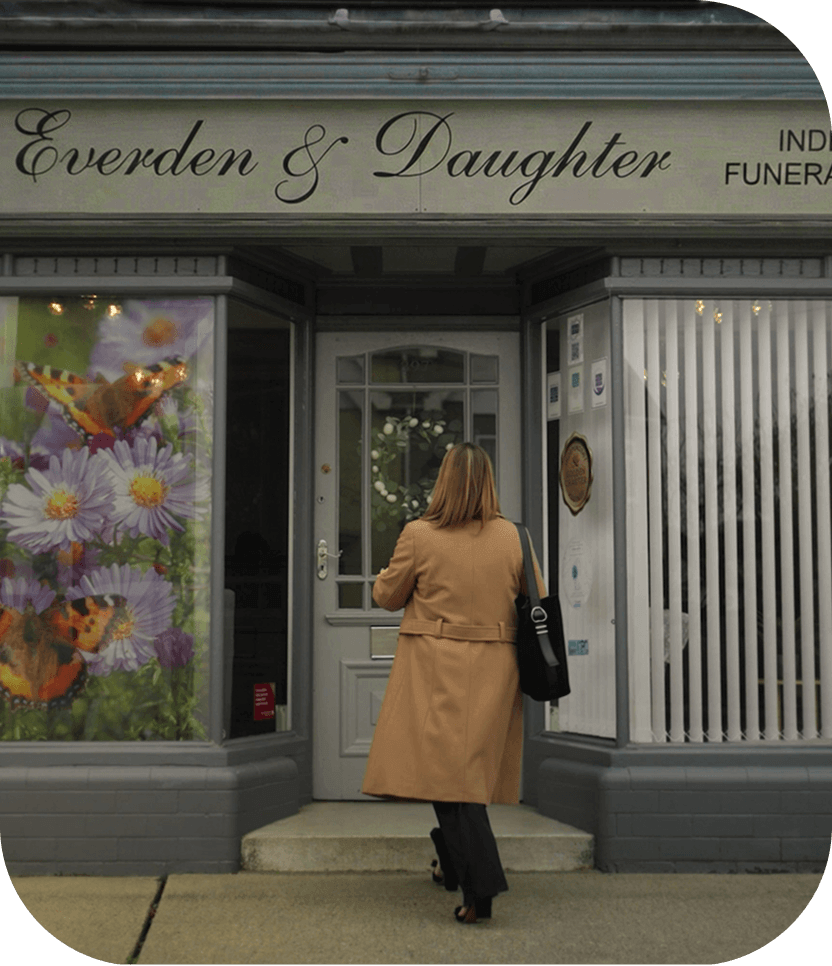
Why rushing funeral decisions leads to regret
Decisions made at speed are made with less information and less thought, often before the wider family has had a chance to gather. A date is fixed before key people can travel. A coffin or service style is chosen quickly, only for someone to wish later that a particular song, reading or person had been included.
Rushing also affects cost. Under pressure, it’s easy to accept the first option offered rather than ask what else is possible, and families sometimes spend more than they would have with a clear head. The regret that follows is rarely about a single wrong choice. It’s the quiet sense that, given a little more time, the farewell could have been closer to what everyone wanted. Taking time to plan a funeral is the simplest protection against that feeling.
What a good funeral director does differently
A caring, independent funeral director will never pressure you to decide on the spot. They will explain your options, let you take paperwork home, and give you space to talk things through with the people who matter.
If you ever feel hurried or pushed towards extras you didn’t ask for, that’s a sign to pause. You’re entitled to time, to written information, and to change your mind. The right director treats those things as normal, not as an inconvenience.
The simplest protection is to say out loud, to yourself and to others, that there is no rush.
- By Terry Tennens, Chief Executive, SAIF
What actually has a deadline, and what can wait
A small number of steps do have a timeframe. In most cases a death must be formally registered within a set period, and your funeral director or the register office can explain exactly how that works where you are. Once the death is registered and the person is in the care of a funeral director, the immediate pressure largely lifts.
Almost everything else can wait. The date of the funeral, the style of service, the coffin, the readings, the flowers and the gathering afterwards can all be decided over days rather than hours. Taking that time doesn’t delay anything important. It simply gives you room to make choices you can feel at peace with. If cost is a worry, saying so early helps, and the Bereavement Support and Advice pages offer further guidance.
How to give yourself room to decide
The simplest protection is to say out loud, to yourself and to others, that there is no rush. Give yourself permission to take an extra day. Bring someone with you to any meeting so that you aren’t deciding alone, and write down what is agreed so you can review it calmly later.
It also helps to involve the wider family early, even briefly, so that no one feels left out and important wishes aren’t missed. A short conversation now can prevent a lasting regret. To find a director who will give you that time, you can use the search on the Find a Local Funeral Director page, and you can learn more about the campaign on the Handled With Care homepage.
Frequently asked questions
How quickly do you have to arrange a funeral after someone dies?
There is no rush to arrange the funeral itself. A death usually must be registered within a set legal period. However, once that is done and the person is in a funeral director's care, you can take days rather than hours to plan the service.
Is it bad to rush funeral arrangements?
Rushing funeral arrangements often leads to regret, because decisions are made with less thought and before the wider family can gather. Taking a little more time helps you make choices you can feel at peace with later.
How long do you have to register a death in the UK?
A death must usually be registered within a set period, and the exact timeframe and process can vary depending on where you are. Your funeral director or local register office can confirm the details and guide you through it.
What funeral decisions can wait?
The funeral date, service style, coffin, readings, flowers and the gathering afterwards can all be decided over several days. Only a few formal steps, such as registering the death, have a set timeframe.
How do I avoid regret when planning a funeral?
Give yourself permission to take your time, involve the wider family early, ask for written information, and never feel pressured to decide on the spot. A caring funeral director will support you in moving at your own pace.
Key takeaways
- Most of the urgency families feel after a death comes from shock and emotion, not from a real deadline.
- Rushing funeral decisions leads to regret because choices are made with less thought and before the family can gather.
- Only a few steps, such as registering the death, have a set timeframe, while most decisions can safely wait days.
- A caring funeral director will never pressure you, and feeling hurried is a sign to pause.
- Taking an extra day, involving the wider family and writing things down are simple ways to protect against regret.
Move at a pace that feels right
The decisions that follow a death deserve time and care, not haste. Enter your postcode on the Find a Local Funeral Director page to find an independent director who will give you the space to decide calmly.
The right funeral director will make you feel heard, respected and supported every step of the way.
Find a local funeral director
Use my current location