

Why the period after a funeral is so hard
In the days before a funeral there is a great deal to do. The arrangements, the paperwork and the visitors keep people occupied, and that busyness can hold grief at a distance. When it is all over, the activity stops, and the full weight of the loss is often felt for the first time.
This is one of the most common experiences in bereavement, yet few people are warned about it. The world tends to move on quickly and the cards and phone calls slow down just when they are most needed. Understanding that this dip is normal can help you be patient with yourself, and it’s part of why ongoing support matters so much. You can read more about what to expect on the Bereavement Support and Advice pages.
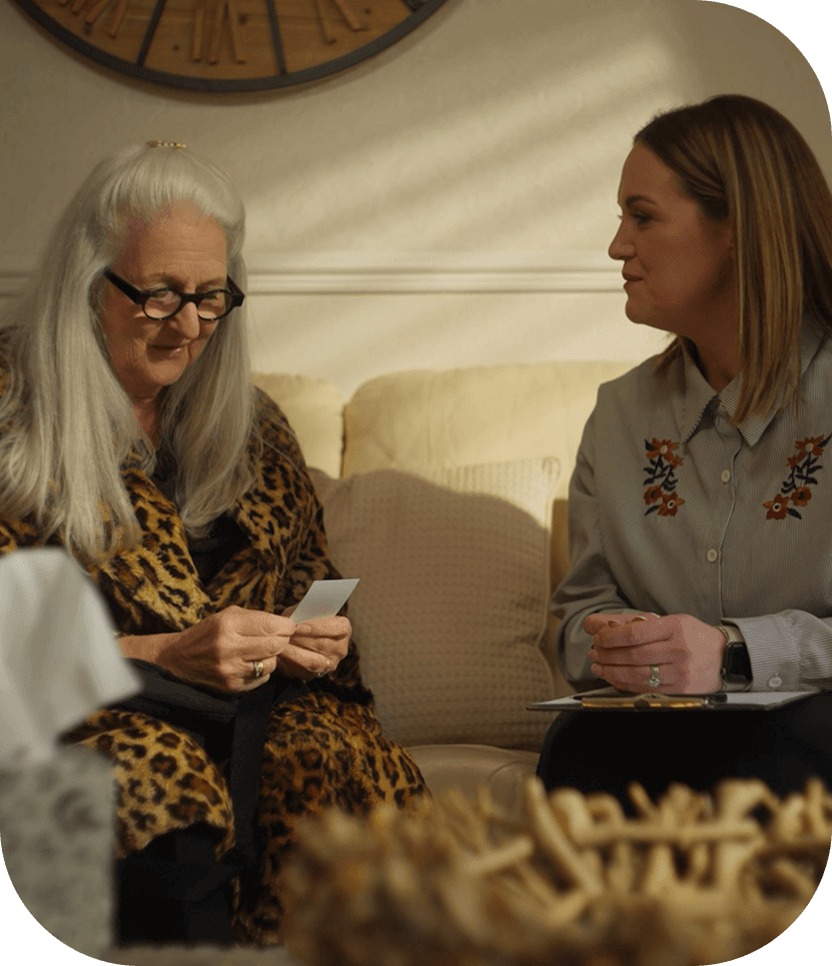
What support after a funeral looks like
Support after a funeral comes in several forms, and it helps to know what each one offers. Practical support deals with the tasks that follow a death, such as closing accounts, dealing with pensions and sorting belongings. Emotional support is about having someone to talk to as you grieve. Both matter, and you are entitled to ask for either.
A good independent funeral director sees their role as continuing beyond the day of the service. Many will check in with you afterwards, answer questions about the practical steps still to come, and point you towards local help. If you are unsure what to do next, your funeral director is often the best first person to ask, and you can also raise questions through the Contact and FAQs page.
Bereavement support and counselling
When grief feels heavy or unrelenting, talking to someone trained to help can make a real difference. Bereavement charities, peer support groups and counsellors exist precisely for this, and many offer their services free of charge. Speaking to your GP is also a sensible step if grief is affecting your sleep, your health or your ability to cope day to day.
An independent funeral director can often connect you with local counsellors and support groups who understand your area and your circumstances. Reaching out is a sign of strength. There is no set point at which you are supposed to be over a loss, and support is available whenever you feel ready for it.
One of the kindest things you can do for yourself is to let others in.
- By Terry Tennens, Chief Executive, SAIF
Practical help in the weeks that follow
The administrative side of a death can feel overwhelming when you are grieving. There are often accounts to close, organisations to notify and belongings to sort, and it rarely all happens at once. It’s fine to take these tasks slowly and to accept help from family and friends who offer it.
Your funeral director can guide you on the immediate practical steps and what documents you are likely to need. For wider matters, there are national services and charities that specialise in helping bereaved people manage paperwork and entitlements. Knowing these exist can lift a weight, and your director or the Handled With Care homepage can help you find the right starting point.
Letting people help you
One of the kindest things you can do for yourself is to let others in. Friends and family often want to help but don’t know how, and a simple, specific request can give them a way to show their care. Accepting a meal, a lift or company for an afternoon isn’t a burden on them. It is usually a relief.
Grief can make people withdraw and that’s understandable. However, isolation tends to make the weeks harder. Staying gently connected, at whatever level feels manageable, helps more than people expect. If you would like to find a funeral director who offers this kind of continuing care, you can search on the Find a Local Funeral Director page.
Frequently asked questions
What support is available after a funeral?
Support after a funeral includes practical help with paperwork and accounts, emotional support from friends and family, and bereavement counselling from charities, support groups or your GP. Your funeral director can often connect you with local services.
How long does grief last after a funeral?
Grief has no fixed timetable and often continues long after the funeral, coming in waves that ease and return. There is no point at which you are supposed to be over a loss, and support is available whenever you need it.
Can a funeral director help after the funeral?
Yes. Many independent funeral directors see their role as continuing after the service, checking in with families, answering questions about practical steps, and pointing you towards local counsellors and support groups.
Where can I get free bereavement support?
Many bereavement charities, peer support groups and helplines offer free support, and your GP can also help if grief is affecting your health. A funeral director can point you towards services in your area.
Why is grief harder after the funeral is over?
Before a funeral, the arrangements and visitors keep people busy, which can hold grief at a distance. When the activity stops and others move on, the full weight of the loss is often felt for the first time, which is why ongoing support matters.
Key takeaways
- The weeks after a funeral are often the hardest, as the activity stops and the full weight of loss is felt.
- Support after a funeral comes in practical and emotional forms, and you are entitled to ask for either.
- Many independent funeral directors continue to help after the service and can connect you with local support.
- Bereavement charities, support groups, counsellors and your GP are all sources of help, and many are free.
- Letting friends and family help with specific tasks, and staying gently connected, eases the weeks that follow.
You do not have to manage the weeks ahead alone
A caring funeral director can support you well beyond the day of the service and help you find the right people to lean on. Enter your postcode on the Find a Local Funeral Director page to find one near you.
If you are struggling to cope, this is a sensitive time and support is available. Your GP or a bereavement charity can help you find the right resources whenever you feel ready.
The right funeral director will make you feel heard, respected and supported every step of the way.
Find a local funeral director
Use my current location