

The very first steps
The first thing to understand is whether the death was expected or sudden, because this changes who you call. If the death was expected, for example after a long illness or with palliative care in place, you should contact the person's GP or their surgery. Outside surgery hours, you can call the NHS non-emergency number 111 for guidance.
If the death was sudden, unexpected or you are unsure, call 999. Emergency services will advise you and, where needed, attend. In either case, a doctor or paramedic will need to formally confirm that death has taken place. This is a normal part of the process and nothing to be anxious about. Once that’s done, you can take a breath, because the immediate urgency has passed and you can move at a gentler pace.
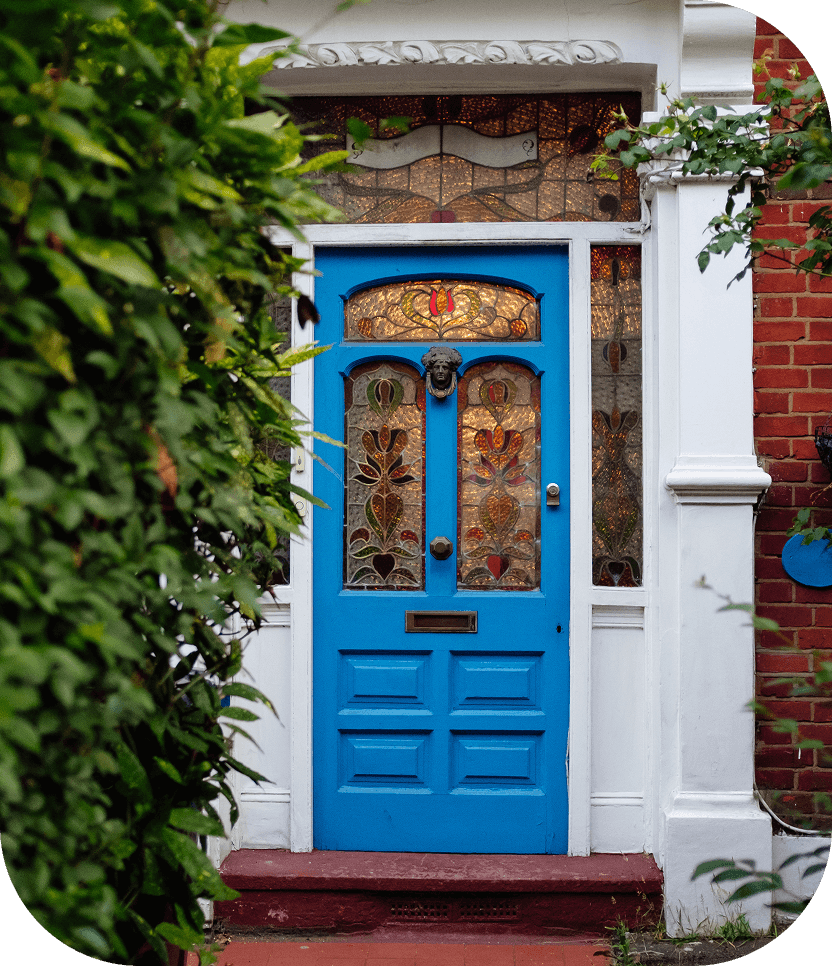
What to do if someone dies at home: the next steps
After the death has been confirmed, there’s no need to do anything quickly. Your loved one can remain at home for a time while you gather yourself and contact the people who matter. Many families find it helps to sit with their loved one for a while, and that is entirely natural.
When you feel ready, you can contact a funeral director. A good independent funeral director is available day and night. You can call them at any hour to bring your loved one into their care. There’s no set time by which you must do this. If you would like to understand the choices ahead before making any decisions, the Your Funeral Options Explained page sets them out gently.
If the person wished to donate organs or their body
If your loved one had expressed a wish to donate organs, tissue or their body to medical science, time can matter more in these specific cases, so mention it as early as possible. The medical team or your funeral director can advise on what’s possible and who to contact.
Not every wish of this kind can be fulfilled, as it depends on medical circumstances, and that isn’t a failing on anyone’s part. A funeral director will talk you through the position honestly and with care.
Support is available at every stage, not only for the arrangements but for you.
Contacting a funeral director
Bringing in a funeral director early doesn’t commit you to expensive choices or lock you into anything. Their first role is simply to take your loved one into their care and to give you time. You can discuss the funeral itself later, once the immediate days have passed.
A caring, local director will explain what happens next, what paperwork you will need, and how registering the death fits in. They will never pressure you. If cost is a worry, say so from the start. They can then talk you through your options openly. You can find a trusted member near you through the Find a Local Funeral Director page.
Registering the death and the days that follow
Once a doctor has provided the medical certificate, you will usually need to register the death within a set period. The exact timeframe and process can vary depending on where you are. The register office or your funeral director can explain the details and what documents to bring. Registering gives you the certificates you will need to deal with banks, pensions and other practical matters.
The days after a death at home can feel strange and heavy, and grief often arrives in waves. Support is available at every stage, not only for the arrangements but for you. The Bereavement Support and Advice pages are a gentle place to begin. You can raise any question through the Contact and FAQs page or learn more about the campaign on the Handled With Care homepage.
Frequently asked questions
Who do you call first when someone dies at home?
If the death was expected, call the person's GP or surgery, or NHS 111 outside surgery hours. If the death was sudden or unexpected, call 999. A doctor or paramedic will need to confirm the death before anything else happens.
What happens after someone dies at home?
Once the death is confirmed by a medical professional, there’s no need to rush. Your loved one can stay at home while you contact family. You can call a funeral director at any hour to bring them into their care when you are ready.
Do you have to call an ambulance if someone dies at home?
If the death was sudden or unexpected, or you are unsure, call 999 and follow their guidance. If the death was expected and palliative care was in place, you can instead contact the GP or NHS 111 rather than an ambulance.
How long can a body stay at home after death?
Your loved one can remain at home for some time after death has been confirmed, and many families choose to sit with them for a while. A funeral director will advise on timing and bring them into their care whenever you feel ready.
Can you call a funeral director in the middle of the night?
Yes. Independent funeral directors offer a service day and night, so you can call at any hour. Bringing them in early doesn’t commit you to any particular funeral or cost.
Key takeaways
- First establish whether the death was expected or sudden, as this decides whether you call the GP or NHS 111, or 999.
- A doctor or paramedic must confirm the death, after which the immediate urgency passes and you can slow down.
- Your loved one can remain at home for a time, and you can call a funeral director at any hour when you are ready.
- Bringing in a funeral director early does not commit you to expensive choices, and you can discuss the funeral later.
- You will usually need to register the death within a set period, and your funeral director or register office can guide you.
Help is a phone call away, at any hour
If you have lost someone at home, a local independent funeral director can gently guide you through the first steps whenever you need them. Enter your postcode on the Find a Local Funeral Director page to find someone close by.
The right funeral director will make you feel heard, respected and supported every step of the way.
Find a local funeral director
Use my current location